

Industry-Wise Applications of SAP in Accounting and Finance
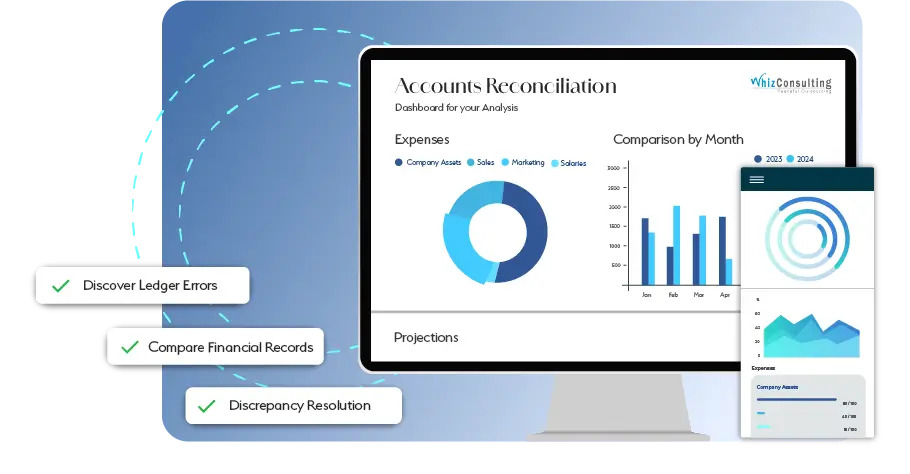
In today’s digital business environment, financial management has evolved far beyond traditional bookkeeping methods. Organizations require speed, accuracy, compliance, and real-time visibility into their financial health. This is where SAP accounting and bookkeeping services play a critical role.
SAP S/4HANA is one of the most powerful enterprise resource planning (ERP) systems used globally for managing accounting, finance, and business operations. It helps businesses move from manual accounting processes to fully integrated, automated financial systems.
This article explains SAP accounting from its basic concepts to advanced financial control capabilities, and how it transforms bookkeeping services for businesses of all sizes.
What is SAP Accounting?
SAP accounting refers to the financial accounting module within the SAP ERP system. It is designed to record, process, and manage all financial transactions of a business in real time.
At its core, SAP accounting ensures that every financial activity—whether it is sales, purchases, payroll, or expenses—is recorded accurately and reflected instantly in financial statements.
Unlike traditional accounting systems, SAP integrates all departments into one centralized platform, ensuring consistency and transparency across the organization.
Basics of SAP Accounting
1. General Ledger Accounting (G/L)
The General Ledger is the backbone of SAP accounting. It records all financial transactions and ensures that data is always up to date.
Every transaction in SAP automatically updates the G/L, eliminating manual entries and reducing errors.
2. Accounts Payable (AP)
This module manages all vendor-related transactions. It tracks invoices, payments, and outstanding liabilities. Businesses can automate payment cycles and avoid late fees or duplicate payments.
3. Accounts Receivable (AR)
Accounts Receivable handles customer billing and incoming payments. It ensures that invoices are generated correctly and payments are tracked efficiently.
4. Asset Accounting
This feature helps organizations manage fixed assets like machinery, vehicles, and equipment. It tracks depreciation, valuation, and asset lifecycle.
5. Bank Accounting
SAP integrates with bank systems to reconcile transactions automatically, improving cash flow management and reducing manual reconciliation work.
How SAP Transforms Bookkeeping Services
Bookkeeping is no longer just about recording transactions. With SAP, bookkeeping becomes a strategic financial process.
1. Automation of Financial Entries
SAP automates repetitive bookkeeping tasks such as journal entries, invoice processing, and reconciliations. This reduces human effort and improves accuracy.
2. Real-Time Data Processing
One of SAP’s biggest advantages is real-time processing. Financial data is updated instantly, allowing businesses to make faster and more informed decisions.
3. Error Reduction
Manual bookkeeping is prone to errors. SAP minimizes these risks through automated validations and built-in checks.
4. Centralized Financial Control
All financial data is stored in one system. This ensures consistency and eliminates data duplication across departments.
Intermediate SAP Accounting Functions
Once the basics are understood, SAP offers advanced capabilities that improve financial control and reporting.
1. Cost Center Accounting
This allows businesses to track expenses by department or function. It helps in identifying cost-heavy areas and optimizing budgets.
2. Profit Center Accounting
Profit centers help businesses analyze profitability at different levels such as product lines, regions, or business units.
3. Internal Orders
Internal orders are used to monitor specific projects or short-term initiatives. This ensures proper budget tracking and cost allocation.
4. Financial Reporting
SAP generates detailed financial reports including balance sheets, profit and loss statements, and cash flow reports in real time.
Advanced Financial Control in SAP
SAP goes beyond accounting and provides advanced financial control tools for strategic decision-making.
1. Real-Time Analytics
SAP integrates analytics tools that allow finance teams to monitor KPIs and financial performance instantly.
2. Compliance Management
SAP ensures businesses comply with international accounting standards such as IFRS and GAAP. It automatically updates tax rules and regulatory changes.
3. Budgeting and Forecasting
Advanced SAP modules help organizations plan budgets and forecast future financial performance using historical data and predictive models.
4. Risk Management
SAP identifies financial risks such as cash flow gaps, overdue payments, and high liabilities, helping businesses take preventive action.
Role of SAP in Modern Accounting & Bookkeeping Services
SAP has transformed accounting services into a more strategic and technology-driven function.
1. For Small Businesses
Small businesses benefit from automated bookkeeping, reduced operational costs, and simplified financial management.
2. For Mid-Sized Companies
Mid-sized companies use SAP to scale operations, manage multiple departments, and improve financial reporting accuracy.
3. For Large Enterprises
Large organizations rely on SAP for complex financial structures, global operations, multi-currency transactions, and regulatory compliance.
Advantages of SAP Accounting and Bookkeeping Services
1. Increased Efficiency
Automation reduces manual workload and speeds up financial processes.
2. Improved Accuracy
Built-in validation systems reduce human errors in financial data.
3. Better Decision Making
Real-time insights help management make informed business decisions.
4. Scalability
SAP grows with the business, supporting expanding financial operations.
5. Enhanced Security
SAP provides strong data security and role-based access control.
Challenges in SAP Accounting Implementation
While SAP offers many benefits, businesses may face challenges during implementation.
1. High Initial Cost
SAP systems require significant investment in software and training.
2. Complex Setup
Implementation can be complex and requires skilled professionals.
3. Training Requirements
Employees must be trained to use SAP effectively.
4. System Customization
Every business has unique needs, requiring customization of SAP modules.
Despite these challenges, the long-term benefits outweigh the initial difficulties.
Future of SAP Accounting and Bookkeeping
The future of SAP accounting is driven by automation, artificial intelligence, and cloud technology.
AI-powered analytics, machine learning-based forecasting, and cloud-based SAP systems are making financial management more intelligent and efficient.
Businesses will increasingly rely on SAP for predictive insights rather than just historical reporting.
Conclusion
SAP accounting has revolutionized the way businesses manage their financial operations. From basic bookkeeping tasks to advanced financial control systems, SAP provides a complete solution for modern organizations.
By integrating automation, real-time data, and advanced analytics, SAP helps businesses improve accuracy, reduce costs, and make better financial decisions.
Whether you are a small business or a large enterprise, adopting SAP accounting and bookkeeping services can significantly enhance your financial efficiency and long-term growth.

 English
 Arabic
 French
 Spanish
 Portuguese
 Deutsch
 Turkish
 Dutch
Dutch
 Italiano
 Russian
 Romaian
 Greek
Greek