If you are planning to move a vehicle to another city or across the country, one question inevitably rises above all others: what will it cost? The phrase car shipping charges gets typed into search engines thousands of times every day by people who simply want a straight answer. But here is the challenge that frustrates so many first-time shippers—there is no single flat rate for moving a car. Every vehicle, every route, and every timeline creates a unique situation. The good news is that car shipping charges are not random. They follow a clear, logical pattern based on factors you can understand and even influence. This article walks you through each of those factors in plain language, giving you the knowledge you need to plan your move with confidence and avoid unpleasant surprises.
Distance Is More Complex Than It Appears
Most people assume that longer trips automatically cost more, and that is true in terms of the final total. However, the relationship between distance and car shipping charges is not as simple as multiplying miles by a fixed rate. Short trips under five hundred miles often carry a higher rate per mile than cross-country hauls. Why does this happen? A carrier moving a car from one side of a large city to the other still needs to cover the same basic expenses—driver time, fuel, insurance, and vehicle preparation. Those costs get spread across a very small number of miles, which pushes the per-mile figure upward. On a two-thousand-mile journey from the Midwest to the West Coast, the same fixed costs are distributed much more broadly, resulting in a lower per-mile rate even though the total sum is larger. Understanding this distinction helps you set realistic expectations and explains why comparing per-mile numbers across different trip lengths can be misleading.
Your Vehicle Holds More Influence Than You Think
The car you drive plays a starring role in determining car shipping charges. A small hatchback or a compact sedan takes up relatively little space on a multi-car carrier, leaving room for several other vehicles. A full-size pickup truck, a heavy SUV, or a long luxury sedan occupies significantly more square footage and adds considerable weight to the trailer. Carriers operate under strict legal weight limits on highways and within the physical dimensions of their equipment. When your vehicle takes up more space or adds more weight, fewer total cars fit on the same load, and that lost capacity is reflected in what you pay. Modifications matter as well. A car that has been lowered or has oversized tires may require special care during loading. A non-running vehicle needs a winch or push ramp, which adds labor and time. Even something as simple as roof racks or a spoiler can change how your car fits alongside others on the trailer. Every detail about your vehicle contributes to the final picture.
The Open Versus Enclosed Decision
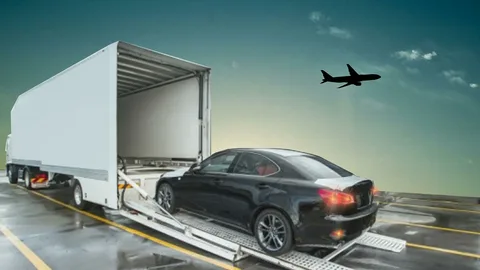
One of the most significant choices you will make is deciding how much protection your vehicle needs during transit. Open transport is the method you see on highways every day—cars riding on uncovered two-tier trailers, exposed to weather and road debris. This approach is highly efficient and represents the standard for most everyday vehicles. Enclosed transport places your car inside a covered trailer, shielding it from rain, dust, sun, and flying gravel. This method is the clear choice for exotic imports, classic restorations, and any vehicle where paint and finish are paramount. Because enclosed carriers hold fewer cars and require specialized equipment, the gap between open and enclosed options can be substantial. When you review car shipping charges, always verify which type of service you are being quoted for. Comparing open to enclosed is like comparing two different products entirely.
Seasonal Shifts That Change the Landscape
Car shipping charges ebb and flow with the calendar just like airfare or hotel rooms. Summer months see the highest volume of vehicle moves. Families relocate before the new school year, military personnel receive orders during warm weather, and college students move between semesters. This surge in demand affects how quickly trucks fill and how far in advance you need to plan. Winter introduces different dynamics. Snow and ice on northern routes can slow travel and reduce the number of drivers willing to accept certain deliveries, sometimes tightening availability in specific corridors. Spring and fall often offer the most balanced conditions with reasonable demand and predictable schedules. If your move is flexible, timing your shipment during off-peak periods or in the middle of the week rather than on weekends can influence the numbers you see. Being aware of these natural rhythms helps you plan strategically rather than reactively.
Where You Meet the Carrier Matters Greatly
The exact addresses for pickup and delivery play a much larger role than most people realize. A home on a quiet suburban street with a wide driveway and easy turnaround access is a driver's dream. An apartment in a dense downtown district with narrow roads, low clearance bridges, and restricted parking zones presents real challenges. The driver may need to find legal parking, walk to your building, or coordinate with a building manager, all of which takes extra time. Many shippers can reduce their overall commitment by agreeing to meet the driver at a nearby truck stop, shopping plaza, or terminal. These locations offer ample space for the carrier to maneuver and load safely. Being flexible about where the transaction happens gives you leverage that can make a meaningful difference.
Your Timeline Gives You Power
The dates you provide when arranging a shipment carry real weight. A request that demands pickup within forty-eight hours and guaranteed delivery by a specific date signals urgency. Carriers may need to adjust existing routes or leave paid space empty to accommodate such a tight window, and that flexibility is reflected in the numbers. On the other hand, offering a pickup window of one to two weeks and a reasonable delivery window on the other end gives carriers room to consolidate your vehicle with other shipments heading the same direction. This efficiency lowers the cost per vehicle. If your schedule allows any flexibility at all, make that known from the beginning. Patience remains one of your greatest assets.
Fuel and Operations Affect Everything
Behind every shipment is a truck consuming diesel fuel, traveling across toll roads, and complying with state regulations. When fuel prices rise, that increase eventually finds its way into long-distance moves. Some states require special permits or impose environmental rules on commercial carriers. These are not made-up fees—they are real operational costs built into the logistics network. Understanding this helps you distinguish between legitimate expenses and unnecessary extras. A straightforward explanation of how fuel, tolls, and permits affect your total gives you confidence that you are being treated fairly.
Knowledge Turns Mystery Into Clarity
Car shipping charges do not have to feel like a gamble. When you understand the factors that shape them—distance dynamics, vehicle characteristics, open versus enclosed choices, seasonal patterns, location details, timing flexibility, and operational realities—you move from guesswork to genuine understanding. The smart shipper does not chase the lowest number blindly. Instead, you seek clarity, ask thoughtful questions, and choose the option that offers transparency and reliability. That approach not only protects your vehicle but also protects your peace of mind from the moment of pickup to the final delivery.



 English
 Arabic
 French
 Spanish
 Portuguese
 Deutsch
 Turkish
 Dutch
Dutch
 Italiano
 Russian
 Romaian
 Greek
Greek