

Is Outsourced Bookkeeping Right for Your Startup? Pros, Cons, and Common Mistakes?
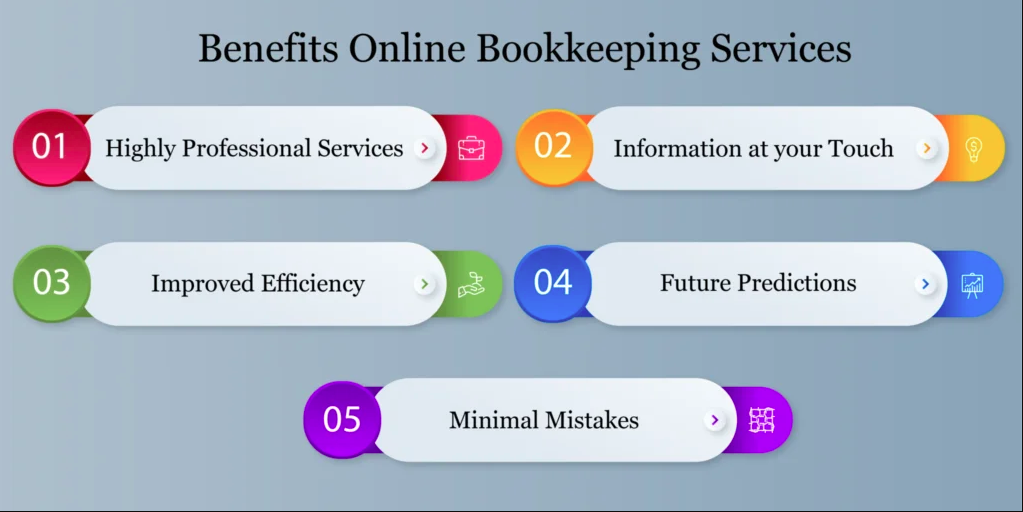
Thinking about outsourced bookkeeping for startups but unsure if it’s the best fit? Today’s founders juggle marketing, hiring, tech, compliance, and more—so financial management can easily get overwhelming. This blog unpacks the benefits, drawbacks, and frequent mistakes to help you make an informed decision about outsourcing bookkeeping.
What Is Outsourced Bookkeeping for Startups?
Outsourced bookkeeping means hiring external experts or firms to handle everyday financial records, expense tracking, reconciliations, and payroll, rather than using internal staff or doing it solo. Typically, startups opt for specialized bookkeeping partners, online accounting services, or freelance professionals—each offering scalable, modern solutions.
The Pros: Why Outsource Your Startup’s Bookkeeping?
1. Cost Savings
Outsourcing helps startups save money on salaries, benefits, training, office space, and costly accounting software. Most providers offer pay-as-you-grow plans ideal for shifting workloads and tight budgets. Instead of hiring a full-time finance team, you tap into professional expertise only when you need it.
2. Expert Support and Advanced Technology
Bookkeeping firms bring in-depth accounting knowledge and up-to-date compliance insights. They use the latest cloud software and automation tools—ensuring accurate records and easy access to your data, securely stored and monitored. This means fewer mistakes and faster resolution of financial queries.
3. Flexibility & Scalability
As your startup grows or faces seasonal changes, outsourced bookkeeping can easily scale up or down, giving you the freedom to focus on mission-critical tasks, customer demands, or fundraising—without worrying about finding, hiring, or training new accounting staff.
4. Improved Data Security
Reputable bookkeeping partners invest heavily in security—including encryption, multi-factor authentication, and regular backups. You benefit from strong protection without the cost or risk of managing security in-house.
5. Regulatory Compliance & Peace of Mind
Professional bookkeepers stay on top of all changing tax regulations and financial laws—you get timely reporting, guidance, and fewer compliance headaches. This reduces the risk of fines, audits, and cash flow disruptions.
The Cons: What’s the Downside?
1. Loss of Direct Control
Outsourcing means less day-to-day oversight and slower reactions to urgent financial changes. Some startup founders worry about losing visibility into every transaction or seeing their bookkeeping handled differently from what they expect.
2. Communication Delays
Remote and outsourced teams can sometimes lead to communication hiccups, delays in report delivery, or misunderstandings—especially if operating across time zones or with cultural differences.
3. Data Privacy Concerns
Handing your financial data to a third-party firm is always a risk. Ensure you pick a provider with proven security protocols and strict confidentiality agreements.
4. Service Limitations and Hidden Costs
Not all providers offer customized solutions or include every service (e.g., tax filing, urgent reports) in their base price. Always clarify scope, costs, and contract terms before signing up.
Common Mistakes to Avoid for Startups
Choosing on price alone: Cheapest isn’t best; ensure providers have relevant startup experience, clear security policies, and scalable services.
Failing to clarify deliverables: Outline expected reports, turnaround times, and communications up front.
Ignoring compliance requirements: Check that your provider understands startup-specific regulations and local tax laws.
Neglecting ongoing review: Stay involved regularly, track deliverables, and ask questions about your books no matter who runs them.
Conclusion: Should Your Startup Use Outsourced Bookkeeping?
Outsourced bookkeeping for startups delivers cost savings, expert support, and scalable solutions—perfect for fast-moving, resource-conscious companies. But remember: success depends on selecting the right partner, clarifying expectations, and staying engaged. Avoid classic pitfalls by being proactive and informed. If you’re ready to free up time, focus on growth, and reduce financial headaches, outsourcing may be the smart choice for your company’s next stage.

 English
 Arabic
 French
 Spanish
 Portuguese
 Deutsch
 Turkish
 Dutch
Dutch
 Italiano
 Russian
 Romaian
 Greek
Greek