

How Is the Load Capacity of Guide Rollers Determined?
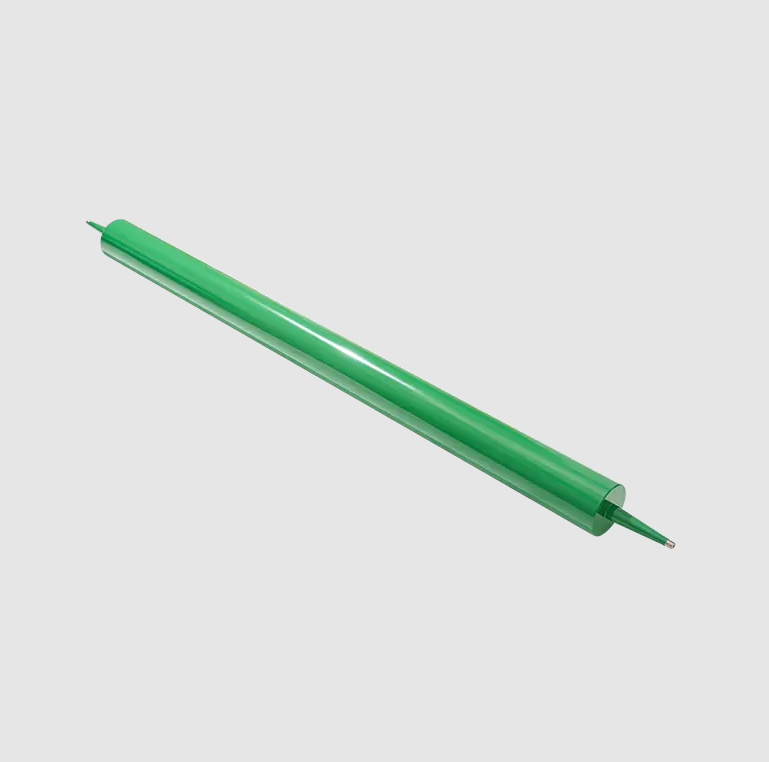
How Is the Load Capacity of Guide Rollers Determined?
The load capacity of a guide roller is a critical factor in determining its effectiveness and reliability in various applications. Whether used in conveyors, industrial machinery, or automation systems, guide rollers must be able to withstand the forces placed on them during operation. This article explores how guide roller manufacturers determine and optimize the load capacity of these essential components, and what factors influence their performance under load.
Material Selection and Strength
The load capacity of a guide roller is primarily determined by the materials used in its construction. Guide roller manufacturers typically choose materials that offer the right balance of strength, durability, and flexibility. Steel and aluminum are common materials for high-load guide rollers due to their excellent strength-to-weight ratios. Stainless steel may also be used for applications requiring corrosion resistance, ensuring that the roller maintains its structural integrity even in harsh conditions.
The material’s tensile strength plays a major role in how much weight the roller can support without bending or deforming. A well-chosen material ensures that the roller can handle both dynamic and static loads over extended periods without failure, which is particularly important in industries like mining, automotive manufacturing, and heavy equipment.
Roller Size and Design
The size and design of the guide roller are also critical factors that affect its load capacity. Larger rollers tend to have a higher load-bearing capacity because they can distribute the weight more evenly across the surface area. Guide roller manufacturers carefully calculate the diameter and width of the roller based on the expected load and the application requirements.
In addition to size, the roller's design—such as the use of reinforced bearings or specialized axle structures—can significantly impact its performance under load. For example, rollers with reinforced internal structures are better equipped to resist deformation or damage from heavy loads. The bearing type, whether sealed or open, also plays a role in ensuring smooth rotation under stress, reducing friction and heat buildup that could otherwise limit the roller's capacity.
Load Distribution and Application Type
The way in which the load is distributed across the guide roller will affect its overall capacity. For instance, rollers used in conveyors typically bear loads that are distributed evenly, while those used in applications like material handling systems or in heavy machinery might encounter more concentrated forces at specific points. Guide roller manufacturers take these factors into account when designing the roller to ensure it can perform optimally in its specific environment.
Applications like conveyors or automotive assembly lines require rollers to handle both dynamic loads (moving objects) and static loads (stationary items placed on the roller). A roller designed for heavy-duty tasks will often include features such as wider surfaces, stronger bearings, and higher-grade materials to support the increased load.
Maintenance and Durability
The load capacity of a guide roller is not only determined by its initial design but also by how well it is maintained over time. Proper lubrication of the bearings, regular inspection for wear and tear, and timely replacement of damaged rollers ensure that the roller continues to perform at its full capacity. Guide roller manufacturers may provide specific guidelines for maintenance to help extend the lifespan of their products and prevent premature failure under heavy loads.
The load capacity of a guide roller is influenced by a combination of factors, including material choice, roller size and design, load distribution, and maintenance practices. Guide roller manufacturers play a key role in optimizing these factors to ensure that their rollers can handle the demands of various industries. Understanding the load-bearing capabilities of guide rollers is essential for selecting the right roller for each application, ensuring long-lasting performance and reducing the risk of equipment failure.

 Arabic
 French
 Spanish
 Portuguese
 Deutsch
 Turkish
 Dutch
Dutch
 Italiano
 Russian
 Romaian
 Portuguese (Brazil)
 Greek
Greek