

How MMA Welding Machines Work in Practical Applications
Basic Concept of Arc Welding
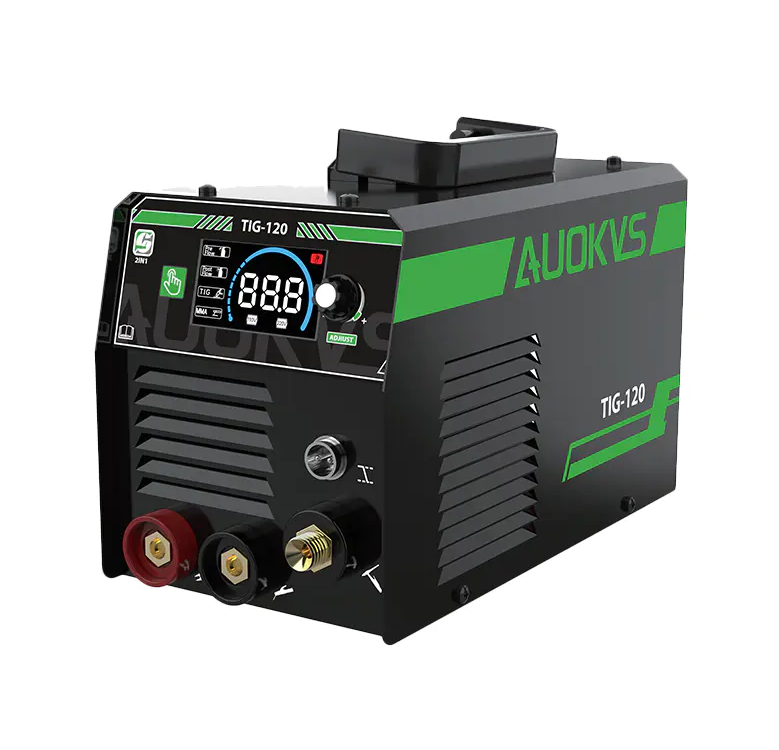
The MMA welding machine, also known as Manual Metal Arc welding equipment, operates based on the principle of electric arc generation. When the MMA welding machine supplier is powered on, it creates an electrical circuit between the electrode and the workpiece. As the electrode touches and is slightly withdrawn from the metal surface, an arc is formed. This arc produces intense heat, typically exceeding several thousand degrees Celsius, which melts both the electrode tip and the base material, enabling them to fuse.
Role of the Electrode
A key component in this process is the consumable electrode. In an MMA welding machine, the electrode is coated with a layer of flux that serves multiple purposes during welding. As the arc burns, the electrode core melts and becomes filler metal, while the flux coating decomposes to produce shielding gases. These gases protect the molten weld pool from atmospheric contamination, ensuring a cleaner and stronger joint. The flux also forms a slag layer on top of the weld, which further shields the cooling metal and must be removed after welding.
Power Supply and Current Control
The power source is another critical element that defines how the system works. The machine converts input electricity into a stable output current suitable for welding. Depending on the design, it may provide alternating current (AC) or direct current (DC). Stable current control is essential because fluctuations can lead to arc instability, poor penetration, or defects. Modern machines often use inverter technology to achieve better efficiency, portability, and precise current regulation, making them suitable for various working environments.
Arc Stability and Heat Generation
Arc stability directly influences the welding quality. A consistent arc ensures even heat distribution and smooth metal transfer from the electrode to the weld pool. The heat generated by the arc melts the base metal edges, allowing the filler material to blend seamlessly. Proper arc length must be maintained by the operator, as too long or too short an arc can result in spatter, weak welds, or interruptions in the process.
Cooling and Solidification Process
The slag layer created by the flux coating slows down the cooling rate, preventing cracks and improving the structural integrity of the weld. After cooling, the slag is chipped away to reveal the finished weld bead underneath. This stage is crucial because improper cooling can compromise the strength and appearance of the weld.
Practical Significance in Applications
Understanding the working principle helps users operate the equipment more effectively and avoid common mistakes. From construction and maintenance to fabrication and repair work, this welding method is valued for its simplicity and versatility. By mastering the interaction between arc, electrode, and base metal, operators can achieve reliable and high-quality welding results in a wide range of applications.

 English
 Arabic
 Spanish
 Portuguese
 Deutsch
 Turkish
 Dutch
Dutch
 Italiano
 Russian
 Romaian
 Portuguese (Brazil)
 Greek
Greek