

Cut Shipping Costs Fast with These Box Optimization Tips
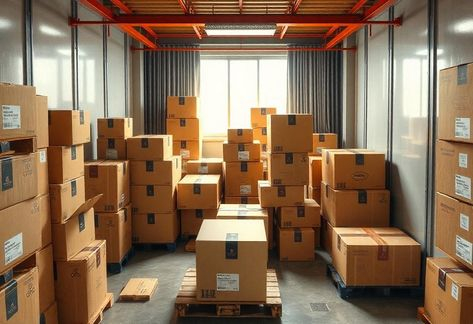
Shipping costs can rise fast when packaging is not planned well. Many businesses lose money through small mistakes. Smart box choices and better packing habits can reduce these costs quickly. This guide explains simple and effective ways to improve your process.
Choose the Right Box Size for Every Order
Picking the correct box size is one of the easiest ways to save money. Many businesses use boxes that are too large. This leads to wasted space and higher shipping charges. Carriers often calculate costs based on size and weight. Therefore, even a light package can cost more if it is bulky.
Start by reviewing your product sizes. Group items based on dimensions and weight. Then match each group with a suitable box size. Avoid using one standard box for all orders. Instead, create a small range of box options that fit most products well.
Also, measure your products carefully. Even small differences matter. A box that is just slightly bigger can increase cost over time. Multiply that by hundreds of shipments, and the loss becomes clear.
Another helpful step is testing. Pack your products in different box sizes and compare costs. Use real shipping rates for accuracy. Over time, this data will guide better decisions.
In addition, train your packing team. They should know which box to use for each item. Clear instructions reduce mistakes and improve speed.
Right sizing boxes is not complex. However, it requires attention and consistency. Once applied, it can lower costs without affecting delivery quality.
Reduce Empty Space Inside Packages
Empty space inside a box leads to extra cost. It also increases the need for filler materials. These materials add weight and expense. So, reducing empty space should be a priority.
Here are simple ways to do that:
Use packaging inserts that fit your products closely
- Wrap items tightly to avoid movement
- Select boxes that match product shapes
- Avoid overpacking with unnecessary fillers
- Use adjustable box designs when possible
When items move inside a box, damage risk increases. As a result, more padding is used. This creates a cycle of waste. A better fit solves both problems at once.
Another key point is product arrangement. Place items in a way that uses all available space. Stack or align them carefully. This reduces gaps and improves balance.
You should also review your current packaging materials. Some fillers take more space than needed. Switching to compact options can help reduce volume.
Small improvements make a big difference over time. Less empty space means lower shipping charges. It also improves customer experience since packages look neat and secure.
Use Lightweight Packaging Materials
Weight plays a major role in shipping costs. Heavy materials increase charges quickly. So, switching to lighter options can bring fast savings.
Start by reviewing your current packaging. Some materials may be stronger than needed. If your products are not fragile, lighter materials will work well.
For example, consider thinner cardboard or padded mailers. These options reduce weight without losing protection. However, always test before making a full change. Safety should not be compromised.
Also, avoid using multiple layers when one is enough. Extra wrapping may seem safe, but it adds weight. Instead, use materials designed for strength and lightness.
Another useful approach is supplier comparison. Some vendors offer advanced materials that are both light and durable. These can reduce costs in the long run.
Training your team is also important. They should know how to pack efficiently using fewer materials. Clear guidelines help maintain quality.
In addition, track your shipping data. Compare weight before and after changes. This helps measure savings and adjust strategies.
Lightweight packaging is not just about cost. It also supports faster handling and better efficiency. With the right balance, you can protect products and reduce expenses at the same time.
Standardize Packaging Processes Across Operations
Consistency helps reduce mistakes and costs. When each team follows a different method, inefficiencies appear. Standardizing your packaging process creates better control.
Start by documenting your packing steps. Include box selection, material use, and sealing methods. Keep instructions simple and clear. Then train all staff to follow the same process.
Uniform methods improve speed. Workers spend less time deciding what to do. They simply follow the system. This reduces delays and errors.
It also helps with inventory planning. When packaging is standardized, you can predict material needs. This prevents overstocking or shortages.
Another benefit is quality control. When every package follows the same method, issues become easier to spot. You can fix problems quickly and maintain standards.
Technology can also help. Use packing software or guides if available. These tools suggest the best box and materials for each order.
Regular reviews are important as well. Check your process every few months. Look for areas to improve or simplify.
Standardization may take time to set up. However, the long-term benefits are strong. It reduces waste, improves efficiency, and lowers overall shipping costs.
Optimize Packing Techniques for Better Efficiency
Packing methods affect both cost and safety. Poor techniques lead to wasted space and damaged items. So, improving how items are packed is essential.
Start with training. Teach staff how to place items correctly. Heavier items should go at the bottom. Fragile items need proper support. These simple rules make a big difference.
Use consistent folding and sealing methods. This ensures boxes stay secure during transit. It also reduces the need for extra tape or reinforcement.
Another useful method is grouping similar items. Pack items with similar sizes together. This improves space usage and reduces the need for fillers.
Time management is also important. Faster packing reduces labor costs. However, speed should not reduce quality. Balance both for best results.
You can also test different packing styles. Compare their impact on cost and safety. Use the best method as your standard.
Feedback from your team is valuable. They work with packaging daily. Their insights can help improve techniques further.
Efficient packing is not just about saving money. It also improves customer satisfaction. Well-packed items arrive safely and create a positive impression.
Leverage Bulk Purchasing for Packaging Supplies
Buying materials in bulk can reduce costs significantly. Suppliers often offer discounts for large orders. This lowers the price per unit.
Before buying, analyze your usage. Know how many boxes and materials you need each month. This prevents overbuying or waste.
Here are key tips for bulk purchasing:
- Compare multiple suppliers for best rates
- Check quality before placing large orders
- Store materials properly to avoid damage
- Negotiate pricing for long-term contracts
- Monitor usage to avoid excess stock
Storage is an important factor. Bulk buying requires space. Ensure your storage area is dry and organized. Damaged materials lead to loss.
Also, build strong relationships with suppliers. Reliable partners can offer better deals and consistent quality. Over time, this improves your supply chain.
Another benefit is reduced ordering frequency. Fewer orders save time and effort. It also reduces administrative work.
However, avoid buying too much at once. Demand may change. Flexible planning is better than rigid stocking.
Bulk purchasing is a simple strategy. When done correctly, it reduces costs and improves efficiency.
Analyze Shipping Data to Find Cost Patterns
Data provides clear insights into shipping costs. Without it, decisions are based on guesswork. So, analyzing your shipping data is essential.
Start by collecting basic information. Track package size, weight, cost, and destination. Use this data to identify trends.
For example, you may notice that certain box sizes cost more. Or some destinations have higher charges. These patterns help guide changes.
Use simple tools like spreadsheets or shipping software. Organize data in a clear format. Review it regularly to spot issues.
Another key step is comparing past and current performance. Check if your changes are reducing costs. If not, adjust your strategy.
Data also helps with forecasting. You can predict future shipping needs. This improves planning and budgeting.
In addition, share insights with your team. When everyone understands the data, they make better decisions.
Tracking even small details can reveal big savings. Over time, data-driven decisions lead to consistent cost reduction.
Implement Continuous Improvement in Packaging Strategy
Packaging optimization is not a one-time task. It requires ongoing effort. Markets change, and so do shipping rates. Therefore, continuous improvement is important.
Start by setting clear goals. For example, aim to reduce cost per package. Then track progress over time.
Regular audits help identify issues. Review your packaging process every few months. Look for waste, inefficiencies, or outdated methods.
Encourage feedback from your team. They often notice problems early. Their suggestions can lead to practical improvements.
Testing new ideas is also useful. Try different materials or box sizes. Measure their impact before full adoption.
Stay updated with industry trends. New packaging solutions appear often. Some offer better performance at lower cost.
Also, consider customer feedback. Damaged items or poor packaging affect your brand. Improvements should balance cost and quality.
Using smarter Shipping Boxes can support long-term savings. However, success depends on consistent effort and smart decisions.
Continuous improvement builds a strong system. It keeps your business competitive and efficient. Over time, small changes create large results.
Conclusion
Reducing shipping costs does not require complex changes. Instead, it depends on small, smart improvements made consistently. Each step in your packaging process affects the final cost. So, paying attention to details can bring real savings over time.
Start with the basics. Choose the right box size and reduce empty space. These simple actions lower dimensional weight and cut expenses quickly. Then focus on materials. Lightweight and durable options help balance cost and protection.
Consistency also plays a key role. When your team follows standard methods, errors decrease. This leads to faster packing and fewer losses. In addition, better packing techniques improve safety and reduce damage claims.
Bulk purchasing adds another layer of savings. It lowers material costs and ensures steady supply. At the same time, tracking your shipping data helps you understand where money is being spent. With clear insights, you can make better decisions.
However, cost reduction should not stop at one stage. Continuous improvement keeps your process efficient. Regular reviews, testing, and feedback help refine your strategy. Over time, these efforts build a strong and reliable system.


 English
 Arabic
 French
 Spanish
 Portuguese
 Turkish
 Dutch
Dutch
 Italiano
 Russian
 Romaian
 Portuguese (Brazil)
 Greek
Greek