

Mini Heat Pump Ductless Split: A Smarter Way to Heat and Cool Your Home
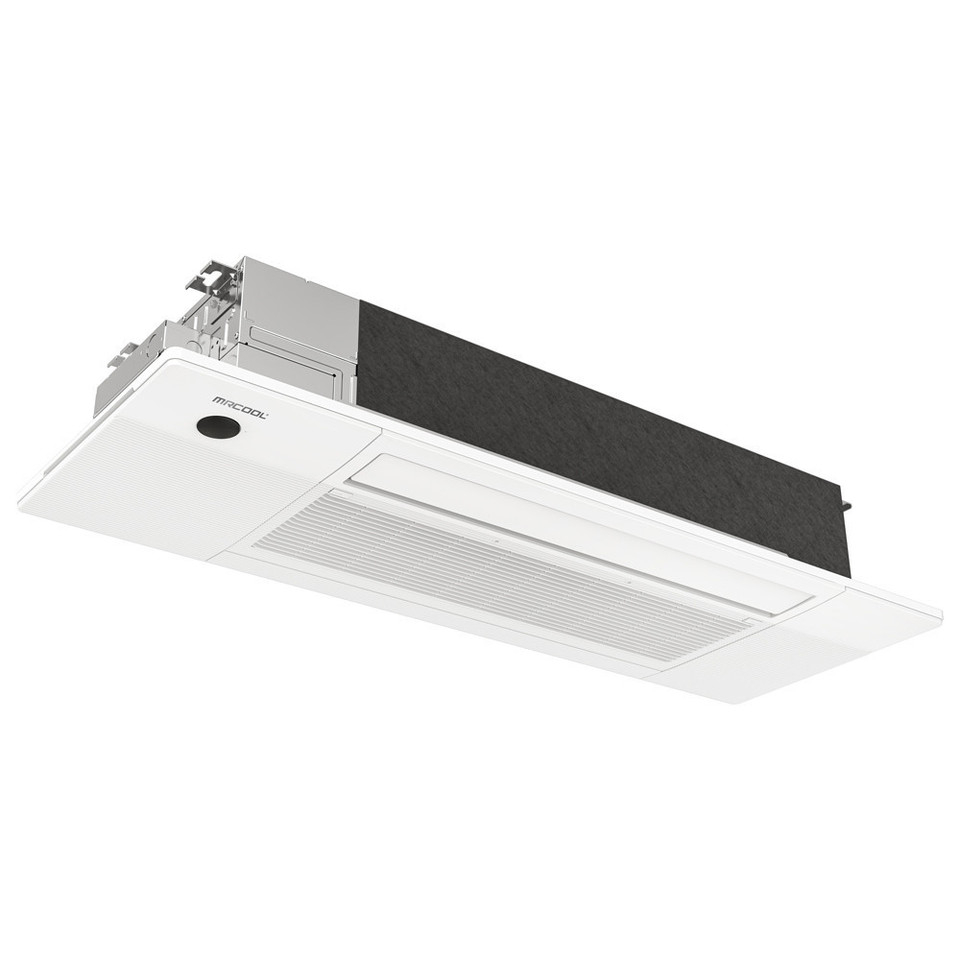
Comfort inside a home should feel natural. You shouldn’t have to fight with thermostats, close vents in random rooms, or wonder why one corner of the house feels freezing while another feels unbearably warm. Yet that’s exactly what many homeowners experience with older HVAC systems.
That’s why the mini heat pump ductless split has become one of the fastest-growing solutions in modern heating and cooling. It brings a different approach, one built around flexibility, energy efficiency, and room-by-room comfort instead of forcing the entire home into a single temperature pattern.
For homeowners trying to lower energy costs while improving indoor comfort, this system feels less like an upgrade and more like a complete shift in how home climate control should work.
Why Mini Heat Pump Ductless Split Systems Are Changing Modern HVAC
Traditional heating and cooling systems were designed decades ago when homes operated differently. Modern lifestyles demand more flexibility, and that’s exactly where ductless systems stand out.
Rising utility costs are pushing homeowners toward efficiency
Energy bills continue increasing in many areas, and people are paying closer attention to systems that waste less electricity. A mini heat pump ductless split reduces unnecessary energy use by allowing homeowners to heat or cool only the rooms being used throughout the day.
Homeowners now expect room-by-room comfort control
Families rarely use every room equally anymore. Some rooms stay empty for hours while others remain occupied all day. Ductless systems allow different temperatures in different spaces, creating more personalized and efficient comfort management.
Simpler HVAC systems are becoming more attractive
Large duct systems often require expensive maintenance and can lose energy through leaks or airflow problems. Ductless systems simplify the entire process by delivering conditioned air directly into individual rooms without relying on hidden duct networks.
How a Mini Heat Pump Ductless Split System Actually Works
Even though these systems look modern and compact, the technology behind them follows a straightforward process focused on heat transfer and controlled airflow.
Heat transfer replaces traditional heating methods
Instead of generating heat through electric resistance like older systems, the unit transfers heat from one place to another. During winter, it pulls heat from outside air and moves it indoors. During summer, it removes indoor heat and releases it outside.
Indoor and outdoor units work together continuously
The system includes an outdoor compressor connected to indoor air handlers through refrigerant lines. These components communicate constantly to maintain stable temperatures and balanced indoor comfort.
Refrigerant lines carry energy efficiently
A sealed refrigerant loop moves heat energy between the indoor and outdoor units. Because this process avoids large duct systems, less energy is lost during operation, improving overall system efficiency.
Benefits That Make Mini Heat Pump Ductless Split Systems Popular
The growing popularity of these systems comes from practical advantages that solve common household comfort problems in a more modern and efficient way.
Zoned temperature control improves daily comfort
Each indoor air handler can be adjusted independently, allowing homeowners to customize temperatures in different rooms based on usage patterns and personal preferences throughout the day.
Lower energy waste helps reduce monthly bills
Traditional HVAC systems often condition the entire home, even when certain rooms are empty. Ductless systems avoid this waste by focusing only on occupied areas that actually require heating or cooling.
Quiet operation improves the home environment
Many mini heat pump ductless split systems operate quietly compared to traditional HVAC equipment. This creates a calmer indoor atmosphere that feels more relaxing during both daytime activities and nighttime sleep.
Energy Efficiency Advantages That Matter Long-Term
Energy efficiency is one of the strongest reasons homeowners switch to ductless systems, especially as utility costs continue rising year after year.
No ductwork means less energy loss
Traditional HVAC systems can lose a significant amount of energy through leaking or poorly insulated ducts. Ductless systems eliminate this issue completely by delivering conditioned air directly into the room.
Inverter technology reduces unnecessary power usage
Modern systems use inverter-driven compressors that adjust speed based on actual temperature demand. This avoids constant start-stop cycling and improves long-term efficiency.
Stable operation reduces strain on components
Because the system runs more smoothly and consistently, internal parts experience less wear and tear, helping improve long-term durability and performance stability.
Where Mini Heat Pump Ductless Split Systems Work Best
These systems are flexible enough to fit many different types of homes and living spaces where traditional HVAC solutions may feel inefficient or difficult to install.
Older homes without existing duct systems
Installing ductwork in older houses can be expensive and disruptive. Ductless systems provide efficient heating and cooling without requiring major structural renovations.
Garages, basements, and room additions
Spaces added after original home construction often lack proper climate control. Ductless systems allow these areas to maintain comfortable temperatures independently of the main house.
Apartments and compact living spaces
Smaller homes benefit from targeted heating and cooling that avoids wasting energy on unused areas, making ductless systems highly practical in compact environments.
Installation Factors Homeowners Should Understand
Although installation is usually simpler than traditional HVAC systems, proper setup still affects long-term performance and energy efficiency.
Indoor unit placement affects airflow quality
Correct positioning helps distribute conditioned air evenly throughout the room. Poor placement can create uneven temperatures and reduce comfort consistency.
Outdoor units need proper ventilation space
The outdoor compressor requires enough open space to release heat effectively and maintain efficient operation during extreme weather conditions.
Refrigerant line installation must be accurate
Proper sealing and insulation of refrigerant lines are essential for maintaining system efficiency and preventing performance problems over time.
Common Mistakes That Can Reduce System Performance
Even efficient systems can lose effectiveness if installation or usage mistakes are ignored during setup or daily operation.
Incorrect system sizing creates efficiency problems
A system that is too small struggles to maintain temperature, while an oversized unit may waste energy and create indoor humidity issues.
Poor home insulation reduces effectiveness
If conditioned air escapes through weak insulation, the system must work harder to maintain stable indoor temperatures.
Blocked airflow limits room comfort
Furniture placement or improper indoor unit positioning can interrupt airflow patterns and reduce overall comfort quality inside the room.
Maintenance Habits That Help Systems Last Longer
Mini heat pump ductless split systems require less maintenance than many traditional HVAC setups, but regular care still matters for long-term performance.
Clean air filters support efficient airflow
Dirty filters restrict airflow and force the system to consume more energy during operation, reducing overall efficiency.
Outdoor units should remain free of debris
Leaves, dust, and blocked airflow around the compressor can reduce heat exchange performance and increase system strain.
Routine inspections help prevent major repairs
Checking refrigerant lines and electrical connections periodically helps identify small issues before they become expensive system failures.
Why Mini Heat Pump Ductless Split Systems Fit Modern Living
Homes today are more flexible than ever before. Rooms change purpose throughout the day, and homeowners expect systems that adapt to those changing needs efficiently.
Mini heat pump ductless split systems fit this lifestyle naturally by offering direct control, lower energy waste, and personalized comfort without relying on outdated duct-heavy infrastructure.
That flexibility is one reason these systems continue growing in popularity across both older homes and newly designed living spaces.
Final Thoughts:
For many homeowners, the answer is absolutely yes. These systems combine energy efficiency, flexible comfort control, and simpler installation into one modern heating and cooling solution.
Instead of treating every room the same way, they respond to how people actually live inside their homes every day.
And sometimes, the smartest comfort upgrade isn’t the biggest system, it’s the one designed to work more intelligently.

 Arabic
 French
 Spanish
 Portuguese
 Deutsch
 Turkish
 Dutch
Dutch
 Italiano
 Russian
 Romaian
 Portuguese (Brazil)
 Greek
Greek