

Merging Garden Solenoid Valve and Latching Tech for Custom Solutions
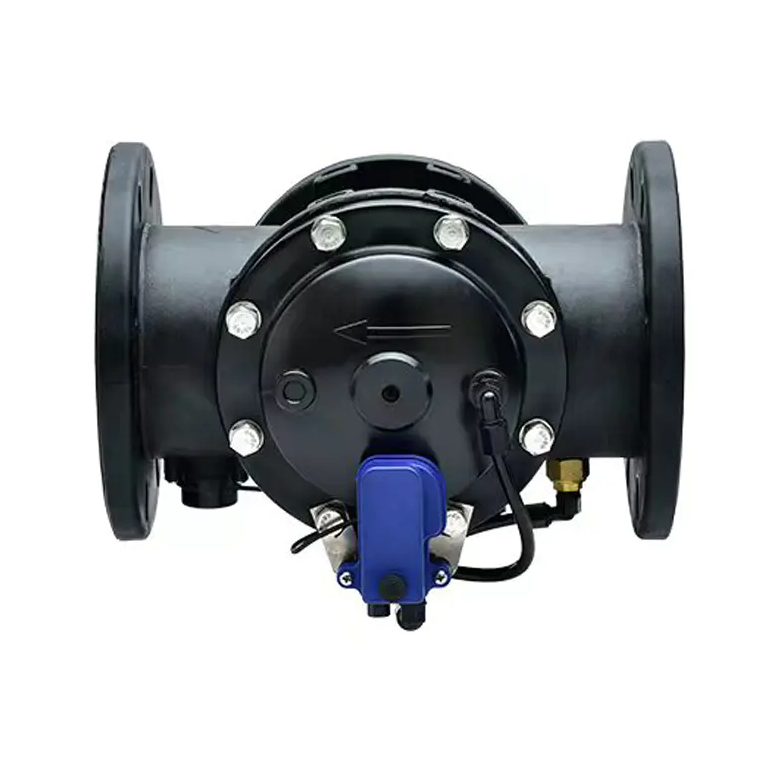
Many homeowners and small-scale growers depend on a garden solenoid valve to regulate water flow in automated irrigation setups, while a latching solenoid valve offers clear benefits in situations where power consumption needs to stay minimal. These two approaches complement each other well, allowing users to create systems that match their specific circumstances without constant manual intervention.
The operation of a typical garden solenoid valve centers on an electromagnetic coil that pulls a metal plunger upward when current flows through it, opening a passageway for water. The valve body is usually made from UV-stabilized plastic or corrosion-resistant metal to withstand outdoor conditions year-round. During setup, installers cut into the main supply line, insert the valve, and secure the connections with appropriate fittings, making sure the flow direction matches the markings.
Latching solenoid valves function differently by using a permanent magnet and a brief electrical pulse to move the plunger between two stable positions. Once latched open or closed, the valve requires no holding current. This characteristic makes it especially useful for controllers powered by small solar panels, AA batteries, or other limited energy sources. In many cases, the same set of batteries can operate a latching system for an entire season with only occasional replacement.
Correct sizing plays a major role in performance. Valves are available in various port sizes, and choosing one that matches the existing pipe diameter helps avoid unnecessary restrictions or turbulence. Equally important is confirming the pressure rating suits the pump or municipal supply—most residential systems operate comfortably within the 30–125 psi range covered by standard models.
Routine care usually involves checking and cleaning the inlet strainer, which is designed to trap sediment before it reaches the working parts. Depending on local water quality, this task might be needed every one to three months. Some users also flush the entire line periodically to remove accumulated debris that could otherwise cause sluggish operation or complete failure to open.
In everyday lawn maintenance, garden solenoid valves are commonly used to create multiple watering zones. A medium-sized property might have separate circuits for grass areas, perennial borders, potted plants, and trees. A multi-station controller activates each valve in sequence, delivering the right amount of water to each section while keeping pressure consistent. Integrating a weather-based controller or soil moisture sensors further refines the schedule, reducing water waste during rainy periods or cooler weather.
The latching solenoid valve finds frequent use in portable or remote applications. People who maintain vacation properties, community garden plots, rooftop containers, or temporary event landscaping often choose this type because it minimizes power draw. A simple pulse from a handheld remote or basic timer is sufficient to change state, allowing the system to remain functional for extended periods without recharging or replacing power sources frequently.
When problems occur, diagnosis generally starts with confirming power delivery to the valve. For garden solenoid valves, a steady 24 VAC signal should produce a noticeable click when the coil energizes. Latching types only need a short pulse, so checking battery voltage and connection integrity is usually the first step. If the coil shows correct resistance but still doesn’t actuate, internal mechanical binding from dirt or scale is a likely cause.
Several practical extras are commonly available. Manual override levers allow the valve to be opened by hand during controller malfunctions or power outages. Built-in flow restrictors help balance delivery among zones with different sprinkler types. Some higher-end models feature pressure-regulating diaphragms that maintain consistent outlet pressure despite fluctuations in the supply line.
These valves appear in a broad range of settings beyond private yards. Commercial nurseries use them for precise misting and drip systems, while municipal departments rely on them for median plantings, athletic fields, and public park irrigation. In each context, reliable timing contributes to better plant health and more efficient resource use.

 English
 Arabic
 French
 Spanish
 Portuguese
 Deutsch
 Turkish
 Dutch
Dutch
 Russian
 Romaian
 Portuguese (Brazil)
 Greek
Greek