

Nante Outdoor Electrical Distribution Panel: Field-Ready Power Solutions
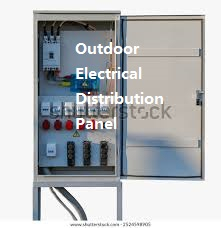
In outdoor power distribution projects, planning ahead prevents costly retrofits — a correctly positioned Outdoor Electrical Distribution Panel installed with thoughtful cable routing and weatherproofing will protect circuits and personnel, and arranging clear service zones around a Outdoor Electrical Distribution Panel reduces troubleshooting time and simplifies future upgrades. Early decisions about enclosure materials, ventilation, and protective devices set the tone for long-term reliability and predictable maintenance cycles.
Assessing load, fault levels, and expansion needs
Begin with a rigorous electrical scope: document expected loads, simultaneous demand, fault current levels, and any future expansion capacity you want pre-provisioned. Right-sizing busbars and specifying breakers with appropriate interrupt ratings prevents nuisance trips and ensures safe clearing of faults. Leave physical space and conduit capacity for extra feeders and metering so that growing sites can be upgraded without major mechanical changes. Accurate load studies and short-circuit current calculations are the foundation of a reliable outdoor distribution system.
Enclosure selection and environmental defenses
Outdoor enclosures face sun, rain, wind-driven dust, and, in coastal settings, salt-laden air. Material choices matter: UV-stable thermoplastics resist cracking and discoloration, powder-coated aluminum balances stiffness and heat dissipation, and stainless steel offers maximal corrosion resistance. Consider gaskets, continuous hinges, raised cable entries, drip edges, and drainage channels. Where condensation is a risk, desiccant holders or breathable vents that preserve ingress protection extend interior component life.
Thermal design and compartmentalization
Thermal management is critical. Place heat-generating components on conductive backplates and provide ventilation or filtered fans where passive measures are insufficient. Separate high-current bus sections from sensitive electronics or control modules to avoid thermal interaction. Reflective external finishes reduce solar loading, and thermal sensors can trigger alarms or cooling actions before components exceed rated temperatures. Thoughtful compartmentalization also simplifies service and reduces the likelihood of accidental contact during maintenance.
Nante Modular options and installation aids
Modular interiors accelerate field work and reduce errors. Look for removable mounting plates, DIN-rail sections, pre-marked knockout patterns, and factory-configured bus assemblies that minimize onsite wiring. Integrated cable glands, captive fasteners, and keyed door locks make installations repeatable and safer for technicians. When specifying quantities for multiple sites, consistent modular designs simplify spares management and training, and prewired subassemblies cut commissioning time substantially.
Protection schemes, metering, and monitoring
Implement selective protection and coordination studies to ensure faults are cleared with minimal service impact. Include surge protective devices to shield downstream equipment from transient overvoltages. Centralized metering and remote monitoring—energy meters, temp sensors, and moisture detectors—provide early warning for abnormal conditions and let operations teams take preventative action. Where remote telemetry is required, reserve space and mounting points for communication modules and ensure proper sealing for any antenna or conduit penetrations.
Commissioning, documentation, and training
A rigorous commissioning process reduces post-installation surprises. Conduct insulation resistance and continuity tests, torque all lugs per manufacturer specs, verify phase rotation, and perform thermal scans under load to find hotspots. Deliver a commissioning dossier containing wiring diagrams, breaker settings, serial numbers, and photos of the installed unit to operations staff. Train local technicians on access procedures, basic troubleshooting, and the location of spare parts. Good documentation speeds repairs and preserves institutional knowledge.
Maintenance planning and spare-part strategy
Scheduled inspections catch small problems before they cause outages. Check seals, vents, and drains; retorque connections after initial thermal cycling; and replace consumables like desiccants on a schedule. Maintain a compact spare kit (gaskets, common breakers, glands, and fasteners) to enable quick field repairs. For remote sites, negotiate regional spares stocking or rapid dispatch options to reduce mean time to repair and keep equipment available for mission-critical loads.
Designing and deploying outdoor power distribution correctly saves money and reduces risk over the system’s lifetime. Prioritize durable enclosures, thoughtful thermal and cable management, coordinated protection, and a clear maintenance plan to ensure consistent service. For technical resources, product examples, and detailed guidance, see https://www.nante.com/news/industry-news/outdoor-electrical-distribution-panel-nante.html

 English
 Arabic
 French
 Spanish
 Portuguese
 Deutsch
 Turkish
 Dutch
Dutch
 Italiano
 Russian
 Romaian
 Portuguese (Brazil)