

How Do Recovery And Reclamation Practices Protect Air Quality Today?
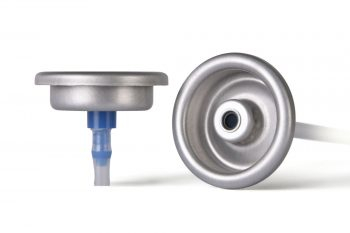
A careful technician treats pressurised cylinders with a different mindset than a weekend hobbyist. A Bluefire Refrigerant Gas Can sits in the same toolbox as gauges and leak detectors for trained service people, and professionals draw on experience, regulation and equipment to manage these containers safely. What follows are practical distinctions that separate routine trades practice from the casual approach: how pros assess cylinder condition, why recovery and documentation matter, how transport and disposal are handled, and what retailers and fleet managers should expect when sourcing product for repair shops.
One of the first differences is approach to leakage and containment. Professionals do not accept a faint hiss as normal. They use calibrated detectors and controlled recovery tools to locate and remove remaining gas instead of venting. That method preserves gas for reuse or safe destruction and prevents emissions that are subject to oversight in many jurisdictions. For businesses, that discipline avoids fines and aligns maintenance activities with environmental obligations.
Measurement is another professional habit. Rather than adding refrigerant by eye, technicians weigh bottles and use gauges to set charge mass precisely. That protects compressors and reduces the risk that an overcharged system will cycle poorly or fail prematurely. Accurate charging also matters when technicians diagnose system faults: measured pressures and temperatures reveal whether repairs are needed before adding gas, which keeps services effective and durable.
Packaging and receipt practices show a different level of scrutiny. Pros inspect cartons and valve protection before they accept shipments, scan batch codes and log supplier packing photos. These checks reduce the chance that a dented or poorly packed cylinder will be used at a service call. For procurement teams, insisting on clear packing formats and photos from suppliers reduces downstream work and lowers field failure rates that waste technicians' time.
Transport rules and labelling are well known to professionals. They segregate cylinders by type, ensure valves are protected, and follow carrier requirements so that shipments move reliably. When logistics are strained or routes change unexpectedly, shops that maintain vendor relationships with documented packing protocols avoid last minute holds. Retailers and wholesales who present clear producer documentation simplify cross border moves for their professional customers.
Disposal practice signals another gap. Technicians follow reclaim and recycling channels so metal shells and captured gas are routed to authorized processors. Many service providers participate in take back or reclamation programs that handle residuals and empty containers responsibly. For DIYers the disposal route can seem obscure; professionals have established contacts and routines that make proper handling routine rather than a guessing exercise.
Safety culture is visible in routine actions. Pros carry a short checklist they apply before a job: visual scan for dents and corrosion, valve integrity check, and a look for signs that a cylinder has been exposed to heat or impact. They stage work in ventilated areas, keep ignition sources away, and use basic protective gear when handling pressurised containers. These steps are simple but effective at preventing incidents and protecting staff and customers.
Record keeping and traceability are practical tools. Service logs capture batch numbers, quantities recovered and actions taken. That documentation supports warranty work, regulatory reporting and supplier conversations when anomalies arise. For organizations managing large fleets of units or servicing many customers, traceability reduces risk and provides a factual basis for quality improvement discussions with suppliers.
Field judgement on repair versus recharge matters to cost and longevity. A trained technician evaluates whether adding refrigerant will mask a leak or whether repairs are the appropriate investment. That judgement reduces repeat call outs and protects equipment life. For consumers who prefer quick fixes, the cost of recurring problems can exceed the price of an initial proper repair conducted by a professional.
Supply chain resilience is another pro insight. Technicians typically maintain relationships with multiple vetted suppliers and plan stock with awareness of seasonality and demand shifts. This reduces pressure to source from unfamiliar channels when availability tightens. Procurement teams that build partnerships with suppliers that publish inspection and packing notes gain predictability that benefits both field operations and retail fulfillment.
Finally, environmental context shapes choices. As attention to emissions and resource recovery grows, professionals adjust practices to reduce fugitive releases and to reclaim usable gas. This aligns with organizational sustainability commitments and with regulatory environments where releases are discouraged or subject to sanction. For businesses concerned about compliance and reputation, working with trained technicians and reputable suppliers bridges operational needs with environmental responsibilities.
For buyers and practitioners, sensible next steps are to require supplier documentation on packing and pre shipment checks, to insist suppliers share visual packing examples and batch identifiers, and to engage certified service providers for recovery and disposal. These steps reduce surprises, support safe handling, and keep refrigerant and metal containers in managed recovery flows rather than uncontrolled waste streams. For product pages, cylinder notes and supplier details visit https://www.bluefirecans.com/ .

 English
 Arabic
 French
 Spanish
 Portuguese
 Deutsch
 Turkish
 Dutch
Dutch
 Russian
 Romaian
 Portuguese (Brazil)
 Greek
Greek