

What Makes the Low Temperature Steel Globe Valve Ideal For Cryogenic Use?
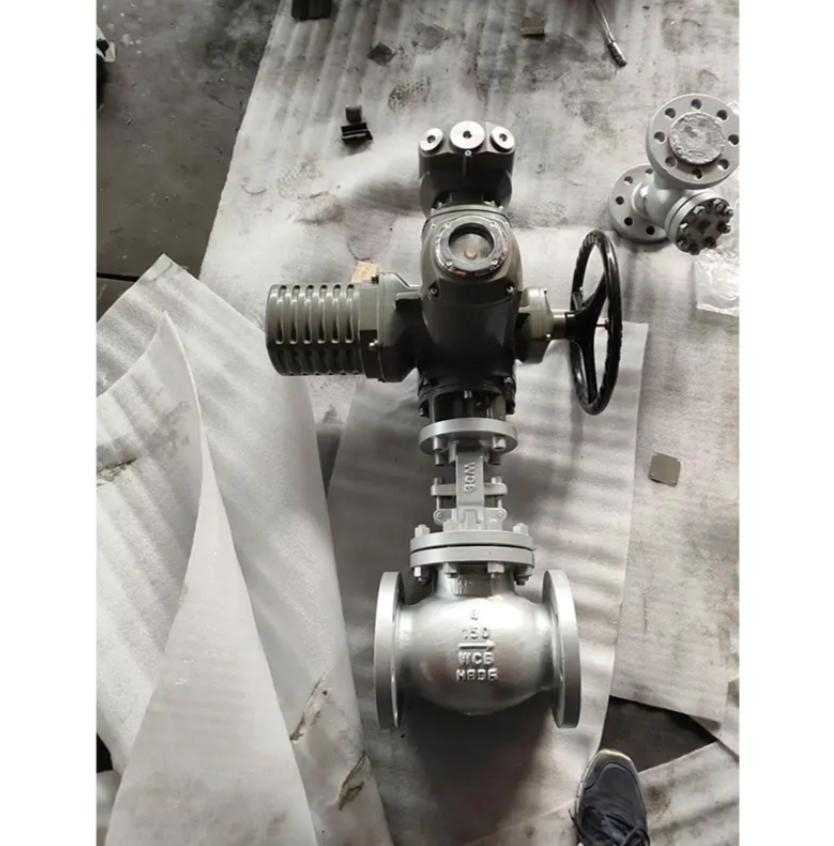
Low-temperature steel globe valves play a critical role in systems that handle cryogenic fluids or operate far below freezing. Designed to maintain toughness and reliability at extremely low temperatures, these valves are widely used in LNG terminals, refrigeration systems, and chemical processing facilities.
1. Materials and Cold Performance
Low-temperature steel globe valves are often made from carbon steel grades such as ASTM A352 LCB or LCC. These materials retain ductility and toughness even in subzero conditions, reducing the risk of brittle fracture. The valves are impact-tested to verify strength and durability under cold service.
2. Valve Design and Features
Several design elements make low-temperature steel globe valves suitable for cold operations. An extended bonnet protects the stem packing from freezing, while specialized gaskets and packing materials resist low-temperature degradation. The combination of robust body construction and resilient sealing components ensures reliable operation under extreme conditions.
3. Applications in Industry
These valves are commonly found in liquid nitrogen or oxygen pipelines, LNG storage tanks, and low-temperature chemical processing lines. By regulating flow accurately in cryogenic systems, they help maintain process stability and prevent leaks or material failure that could compromise safety.
4. Testing and Quality Assurance
Low-temperature steel globe valves must pass impact tests and pressure tests according to ASTM standards. Manufacturers also conduct leak testing to confirm tight sealing under operating conditions. Working with experienced low-temperature steel globe valve manufacturers ensures that each valve meets stringent quality and performance requirements.
5. Choosing the Right Manufacturer
Selecting a trusted low-temperature steel globe valve manufacturer is essential for consistent quality. Reliable manufacturers provide traceable documentation, including material certificates and heat numbers, and offer customization to meet specific temperature, pressure, or connection requirements.
Overall, low-temperature steel globe valves combine specialized materials, careful design, and rigorous testing to perform safely and effectively in cryogenic and low-temperature environments. By understanding their materials, design features, and manufacturer expertise, industrial engineers can choose valves that maintain performance and prevent failures in critical applications.

 English
 Arabic
 French
 Spanish
 Deutsch
 Turkish
 Dutch
Dutch
 Italiano
 Russian
 Romaian
 Portuguese (Brazil)
 Greek
Greek