

Concrete Formwork: A Complete Guide for Strong and Long-Lasting Concrete Structures
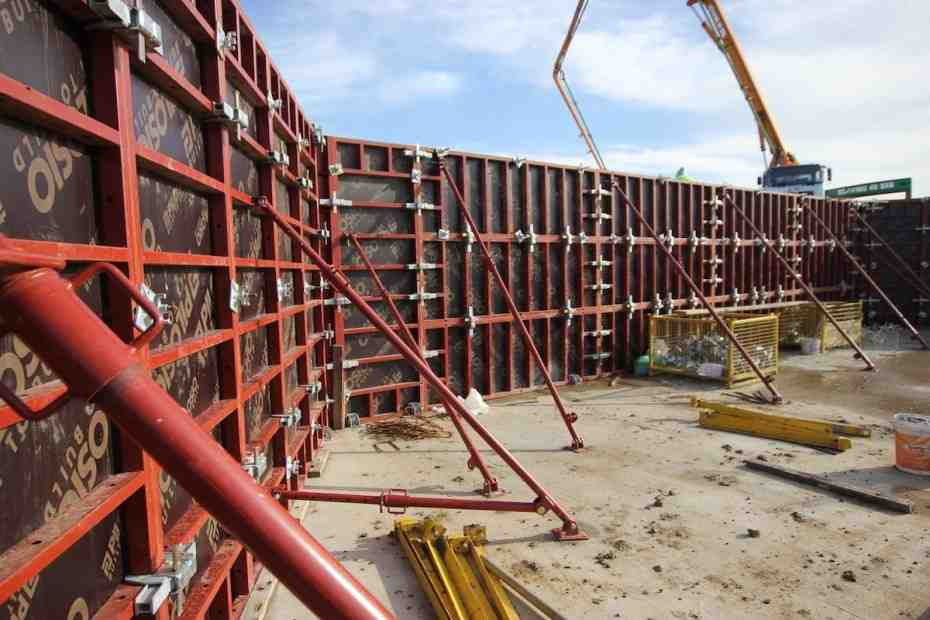
Concrete formwork plays a crucial role in modern construction. Whether you are building a driveway, patio, foundation, retaining wall, or commercial structure, proper formwork ensures strength, accuracy, and long-term durability. At Montclair Masonry, Pavers and Concrete, we believe that quality construction begins with the right foundation—and concrete formwork is where it all starts.
In this guide, we’ll explain what concrete formwork is, why it’s important, the different types used in construction, and how professional installation makes a lasting difference for properties in Montclair, NJ.
What Is Concrete Formwork?
Concrete formwork is a temporary or permanent mold into which concrete is poured and allowed to harden. It shapes the concrete into the desired form while supporting it until it gains enough strength to stand on its own.
Without proper formwork, concrete can shift, crack, or lose its structural integrity. That’s why professional contractors carefully design and install formwork before any concrete is poured.
Why Concrete Formwork Is So Important
Concrete may look solid once cured, but before that, it’s heavy and fluid. Formwork provides the support needed to hold the concrete in place during curing.
Key Benefits of Proper Formwork
-
Accurate shape and dimensions
-
Strong and stable structures
-
Smooth and professional finishes
-
Reduced material waste
-
Improved safety on job sites
-
Longer lifespan of concrete structures
At Montclair Masonry, Pavers and Concrete, we ensure every form is precisely measured and securely installed to prevent movement or deformation.
Types of Concrete Formwork
Different projects require different formwork systems. Choosing the right type depends on design, budget, and structural requirements.
1. Timber Formwork
Timber formwork is one of the most common and cost-effective options for residential projects.
Best for:
-
Driveways
-
Sidewalks
-
Patios
-
Small foundations
Advantages:
-
Easy to shape
-
Affordable
-
Ideal for custom designs
2. Plywood Formwork
Plywood formwork is often combined with timber frames and provides a smoother concrete finish.
Benefits include:
-
Clean surface appearance
-
Faster installation
-
Good durability
3. Steel Formwork
Steel formwork is used for large or repetitive construction projects.
Advantages:
-
Extremely durable
-
Reusable many times
-
Produces precise results
Common uses:
-
Commercial buildings
-
Large foundations
-
Structural columns
4. Aluminum Formwork
Lightweight and efficient, aluminum formwork is popular for faster construction.
Benefits:
-
Easy handling
-
Faster setup
-
High-quality finish
5. Permanent Formwork
Some formwork systems stay in place after the concrete cures, providing insulation or structural support.
Used for:
-
Foundations
-
Basement walls
-
Insulated concrete forms (ICFs)
Steps Involved in Concrete Formwork Installation
Professional formwork installation follows a precise process to ensure safety and quality.
Step 1: Planning and Design
Measurements are carefully calculated to meet structural requirements and local building codes in Montclair, NJ.
Step 2: Material Selection
The right formwork materials are chosen based on project size and complexity.
Step 3: Installation
Forms are securely assembled and braced to prevent movement during pouring.
Step 4: Concrete Pouring
Concrete is poured evenly to avoid pressure buildup or misalignment.
Step 5: Curing and Removal
Once the concrete gains sufficient strength, temporary formwork is removed safely.
Common Applications of Concrete Formwork
Concrete formwork is used in many residential and commercial projects, including:
-
Concrete driveways
-
Sidewalks and walkways
-
Patios and outdoor slabs
-
Foundations and footings
-
Retaining walls
-
Concrete steps
-
Garage floors
-
Basement walls
Each project requires a customized formwork approach to ensure durability and proper drainage.
Why Professional Formwork Matters
Improper formwork can cause major problems, such as:
-
Uneven surfaces
-
Weak structural support
-
Cracking and shifting
-
Water drainage issues
-
Costly repairs later
Hiring experienced professionals ensures your concrete structure is built correctly the first time.
At Montclair Masonry, Pavers and Concrete, our skilled team focuses on precision, safety, and craftsmanship. We use proven techniques and quality materials to deliver strong and long-lasting results.
Concrete Formwork for Montclair, NJ Properties
Montclair experiences seasonal weather changes, including freezing temperatures and moisture fluctuations. Proper concrete formwork helps protect structures from:
-
Freeze-thaw damage
-
Soil movement
-
Water infiltration
-
Premature cracking
Our local experience allows us to design formwork that withstands New Jersey’s climate conditions and ensures long-term performance.
Why Choose Montclair Masonry, Pavers and Concrete?
When you work with us, you benefit from:
-
Experienced concrete specialists
-
High-quality materials
-
Accurate measurements
-
Clean and professional finishes
-
Honest pricing
-
Customer-focused service
From planning to final curing, we handle every step with care and attention to detail.
Final Thoughts
Concrete formwork is the backbone of every successful concrete project. It determines the shape, strength, and durability of the finished structure. Whether you’re installing a new driveway, patio, or foundation, proper formwork ensures long-lasting results you can trust.
If you’re planning a concrete project in Montclair, NJ, trust the experienced team at Montclair Masonry, Pavers and Concrete to deliver quality workmanship from the ground up.
📲 Follow Us on Social Media
Stay connected and see our latest projects, tips, and updates:

 English
 Arabic
 French
 Spanish
 Portuguese
 Deutsch
 Turkish
 Dutch
Dutch
 Italiano
 Russian
 Romaian
 Greek
Greek