

Can Bluefire automation improve factory output safety?
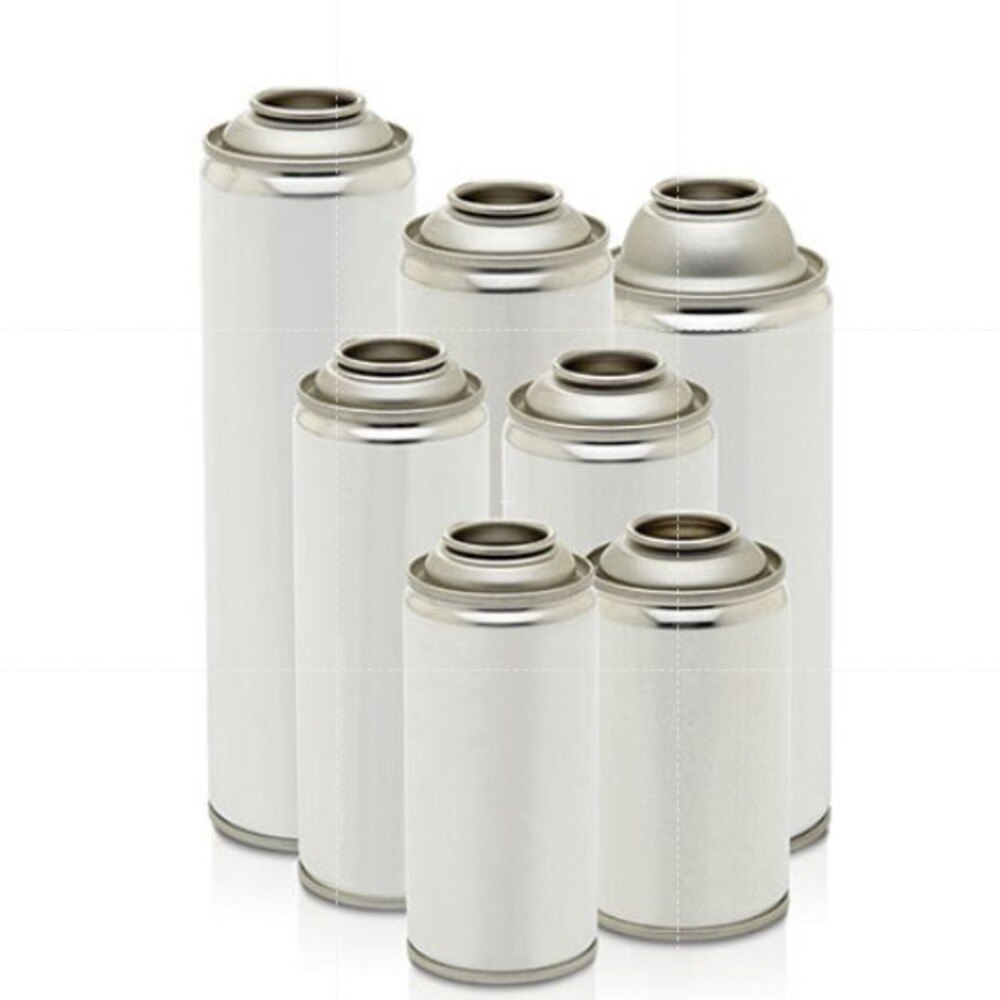
Factories that make components for climate control are changing fast as automation moves from isolated cells to continuous flow. In conversations with a Refrigerant Gas Can Manufacturer the picture that emerges is not only more machines but a different rhythm of work where people and technology share tasks in new ways.
Imagine a production hall where sheets of metal feed into forming stations with quiet, steady motion. Robotic arms pick and place parts with repeatable accuracy while vision systems check seams for tiny flaws that once slipped past a human eye. The pace is steady and predictable, yet the emphasis shifts from manual endurance to oversight thinking. Workers patrol the line not to do every step but to read output trends solve anomalies and keep the whole system aligned.
Inspection has been one of the clearest beneficiaries. Cameras and laser gauges sample each unit as it passes. Instead of relying on periodic manual checks the system flags variations immediately so a technician can intervene before a whole batch drifts out of tolerance. That reduces waste and shortens the time needed to isolate a root cause. For managers this translates into clearer records and fewer surprise returns in the field.
Material handling changes too. Conveyors and automatic feeders reduce repetitive lifting and the related fatigue that once limited shift length. When parts arrive consistently positioned it makes downstream operations smoother. Yet the human role does not disappear. Workers tune feeds manage exceptions and validate that subtle conditions such as coating thickness and surface finish meet expectations. In effect staff move from tool use to tool supervision.
Filling and sealing operations show how precision pays off. Automated dosing equipment meters charge amounts with small allowable variation and sealing stations apply consistent torque and pressure. These operations benefit from repeatability because small differences compound when thousands of units are produced. When a valve and cap meet the can the result is a predictable seal rather than a guess based on touch. That reliability helps technicians focus on improving throughput rather than firefighting errors.
Data plays a central part in the modern floor. Sensors log temperature vibration and cycle counts. That information feeds dashboards where engineers watch trends and schedule preventive maintenance before a bearing or motor shows visible wear. Rather than waiting for a breakdown the factory aims for continuous uptime through measured interventions. The shift reduces unplanned stoppages and spreads work more evenly across shifts.
Training evolves with the machines. New hires spend less time learning to perform a single repetitive task and more time understanding how the line behaves under different loads. Simulation rigs and short scenario drills help workers build intuition about when to trust the system and when to step in. The result is a workforce that combines technical skill with process judgment.
Safety is another visible gain. Automation removes people from the most hazardous motions and places protective zones around moving equipment. At the same time clear procedural steps and simple human machine interfaces make it easier to intervene safely. Emergency stops and visual warnings are part of the design so that a person can quickly pause the line and inspect a suspect unit.
Quality documentation becomes simpler when machines record what they did and when. Traceability extends from raw coil through forming and finishing to the final test. When an issue appears in the market the factory can trace the path of suspect units and narrow the investigation to specific runs. That level of accountability reassures buyers who care about consistency in supply.
There are still trade offs to manage. Automation requires up front investment in tooling and controls and staff must learn different skills. Small scale runs can be less economical to automate so plants often combine flexible cells with dedicated lines to keep options open. The best outcomes come when operations plan for both steady high volume and the occasional special order without sacrificing control.
Sustainability considerations are folded into design choices. Material usage is monitored and waste streams are easier to separate when machines segment production steps. Energy efficiency improves when motors are optimized and idle times are minimized. These changes add up and are visible on monthly reviews rather than in single shift snapshots.
Behind the scenes partnerships with component suppliers change too. When a factory adopts more automation it often asks suppliers to meet tighter tolerances and to deliver parts in a way that suits automated feeders. That alignment helps reduce manual handling and supports a smoother flow from incoming materials to finished units.
Automation in a modern refrigerant gas can plant is less about replacing people and more about reshaping work so that human judgment and machine repeatability reinforce each other. When teams embrace the shift they find sharper control clearer records and fewer interruptions on the line. For those interested in supplier practices and factory workflows a practical reference is available at https://www.bluefirecans.com/ .

 English
 Arabic
 French
 Spanish
 Portuguese
 Deutsch
 Turkish
 Dutch
Dutch
 Italiano
 Romaian
 Portuguese (Brazil)
 Greek
Greek