

How Do Heater Valves Control Temperature?
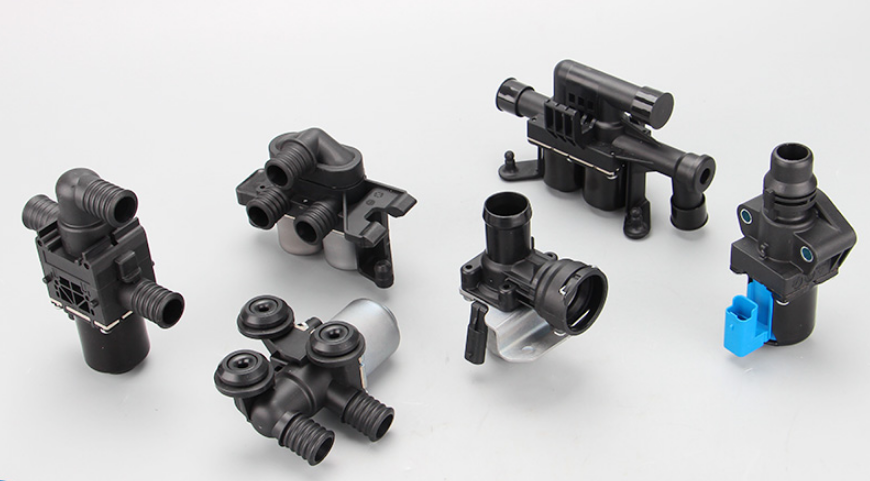
Vehicle heating systems are designed to use engine heat efficiently. Instead of generating separate heat, they redirect hot coolant through a heater core. A key part of this process is the auto heater control valve, which determines how much coolant enters the heating circuit.
When drivers adjust the temperature knob or digital climate panel, signals are sent to the valve. Depending on the system design, the valve may be vacuum-operated, cable-controlled, or electronically driven. Its main task is to regulate flow, ensuring stable cabin temperatures under different driving conditions.
In online automotive groups, many users ask how the car heater water valve communicates with climate control systems. In manual systems, the connection is often mechanical. In automatic systems, sensors measure cabin temperature, outside air, and engine heat. The valve then adjusts automatically to match the selected comfort level.
If this regulation process fails, temperature control becomes inconsistent. Drivers may experience sudden hot air bursts or weak heating. In some cases, the system responds slowly to adjustments, creating discomfort during long trips.
Proper coolant quality and timely replacement play an important role in valve performance. Dirty or degraded coolant can form deposits inside the valve body, limiting movement. Regular maintenance ensures smoother operation and longer service life.
By understanding how this component works with climate control systems, vehicle owners can better evaluate heating problems and communicate more effectively with repair technicians.

 English
 Arabic
 French
 Spanish
 Portuguese
 Deutsch
 Turkish
 Dutch
Dutch
 Italiano
 Russian
 Portuguese (Brazil)
 Greek
Greek